What Questions to Ask Before Getting a Polished Concrete Quote
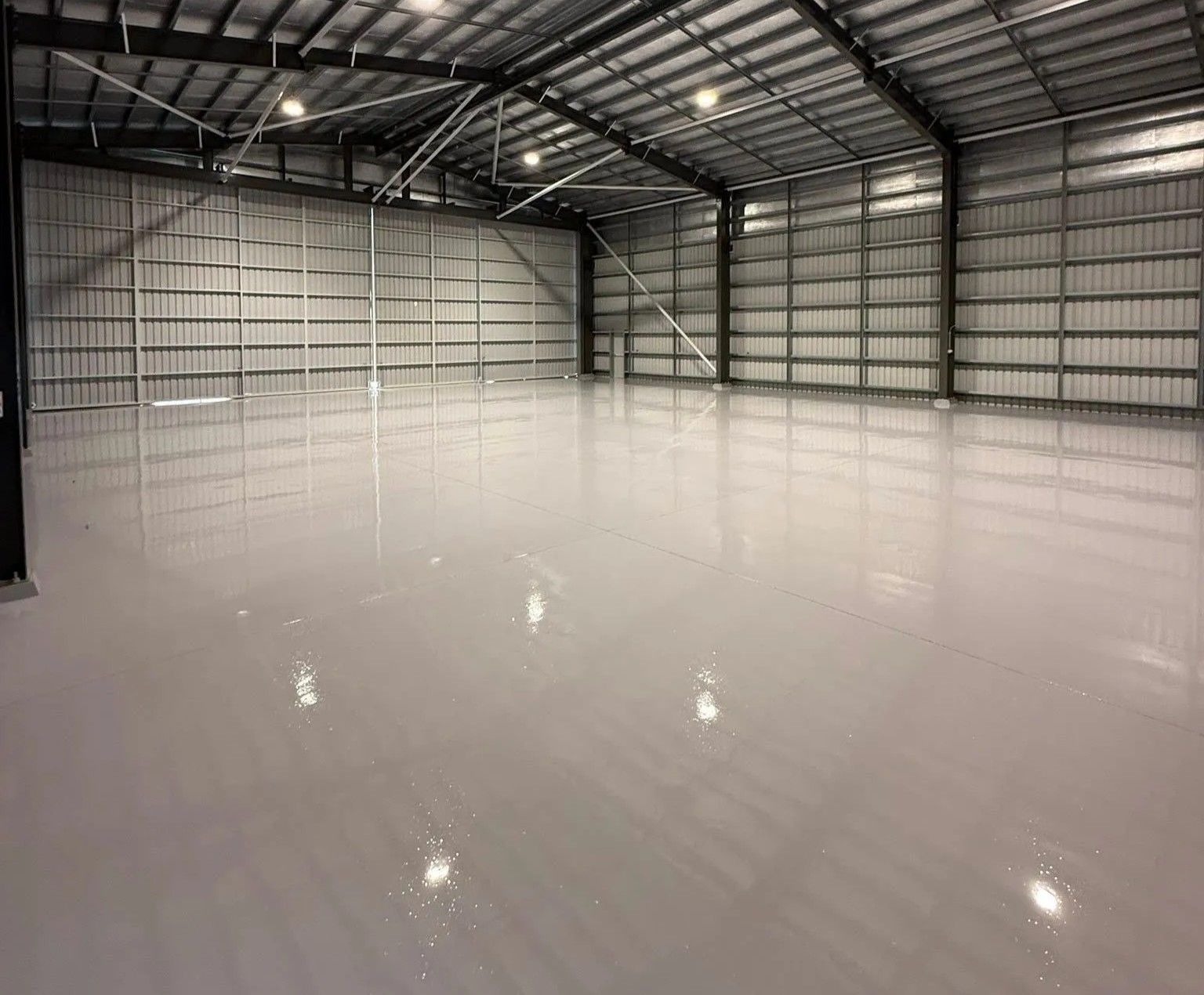
Getting a quote for polished concrete in Cairns seems straightforward until the invoice arrives and it looks nothing like the number you were expecting. For commercial decision-makers, that gap between expectation and reality usually comes down to one thing: not enough was established before the quoting process began. Floor condition, finish specifications, surface preparation, product systems, site access and maintenance requirements all have a bearing on price and project outcome, and none of them should be left to assumption. Whether you're pricing a warehouse floor, a retail fitout or a large-scale commercial development, the questions you ask upfront are the ones that protect your budget and your timeline.
What Is the Current Condition of Your Existing Floor?
The condition of a concrete slab before any work begins is one of the primary drivers of how a project is scoped and priced. A floor that appears sound to the eye may have surface hardness variations, residual coatings, contamination from oils or chemicals, or structural cracks that need to be addressed before grinding can begin. Contractors need to inspect the slab in person before producing a reliable quote.
Conditions that directly affect preparation scope and pricing include:
- Existing coatings, adhesives or paint that require removal
- Contamination from oils, chemicals or industrial residues
- Surface cracks, spalling or delamination requiring repair
- Variations in concrete hardness across the slab
- Previous treatments that may affect how the surface responds to grinding
Without a thorough floor assessment, any quote is essentially an estimate built on incomplete information.
Nail Down the Finish Level Before Anyone Picks Up a Grinder
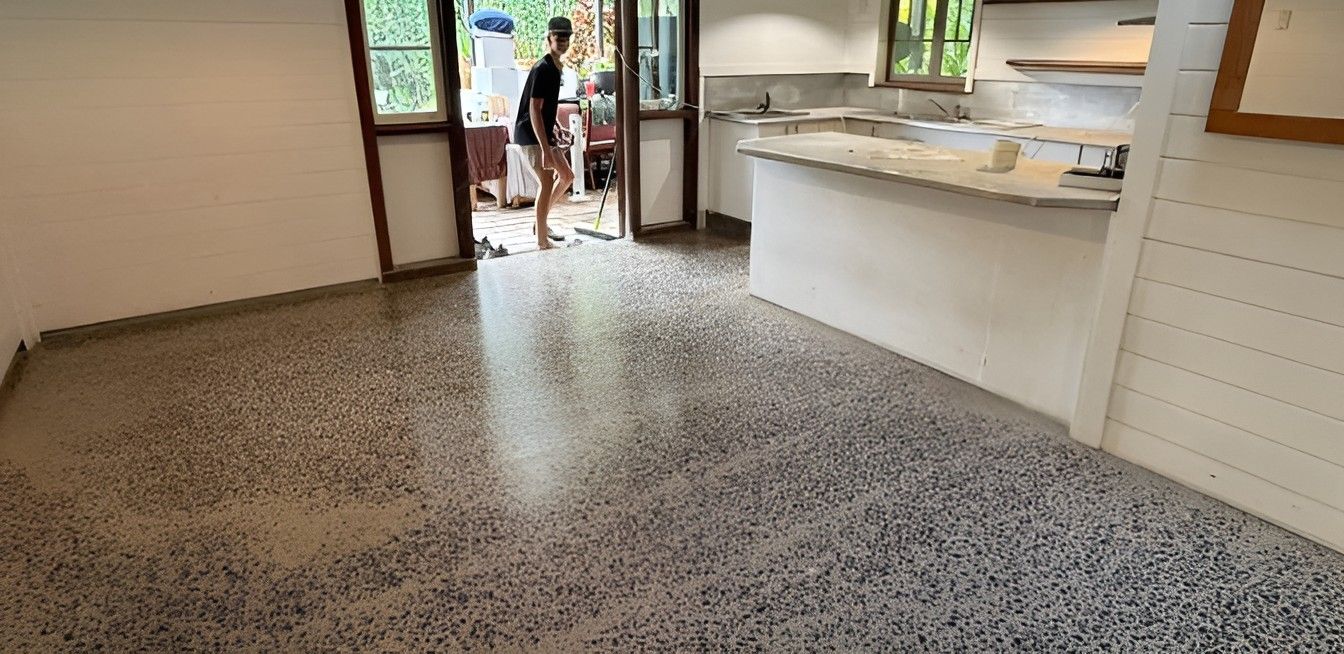
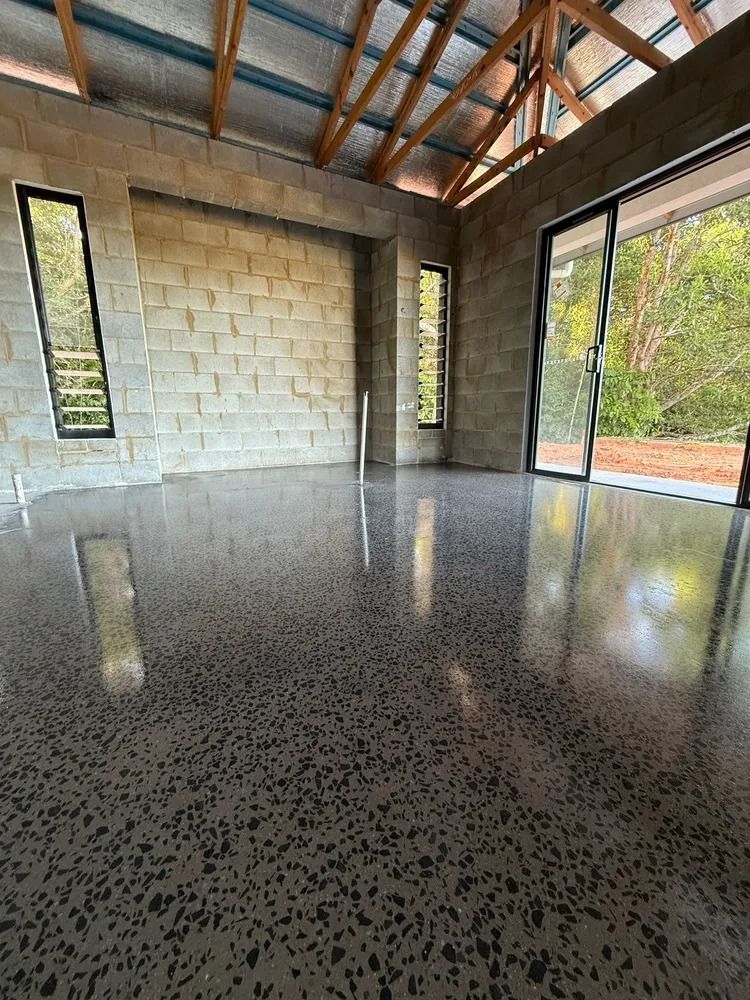
Polished concrete is not a single finish. It exists on a spectrum, and where your project sits on that spectrum determines how much grinding is required, how long the job takes, and what the floor will look like when it is done. Agreeing on a finish level before work begins prevents misaligned expectations and scope disputes later.
The main finish levels and their typical applications:
- Cream polish: minimal aggregate exposure, smooth surface, suits offices and retail environments
- Salt and pepper: light aggregate exposure, subtle texture, commonly used in showrooms and commercial spaces
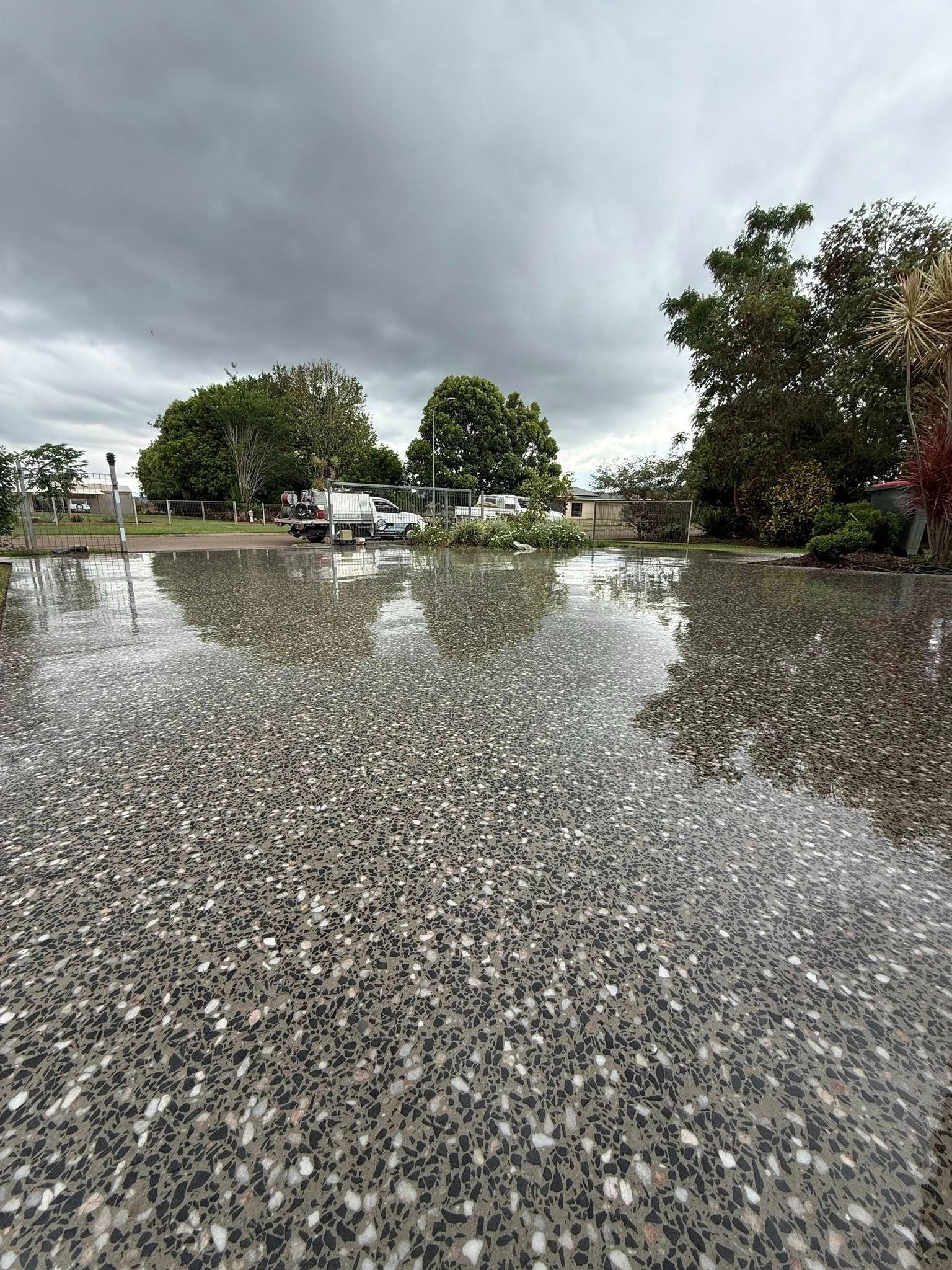
- Full aggregate exposure: deep grind revealing coarse stone, suited to industrial and high-traffic environments
- Sheen level (matte through to high gloss): a separate specification from aggregate exposure, selected based on aesthetic and functional requirements
Each level requires a different number of grinding passes, which has a direct bearing on labour time and cost.
Does the Quote Include Surface Preparation & Repairs?
Surface preparation is frequently the line item that makes a polished concrete quote more expensive than anticipated, particularly when it is not itemised clearly from the start. Preparation work covers everything that needs to happen to the slab before grinding begins, and on commercial and industrial sites that scope can be substantial.
Preparation tasks that should be explicitly scoped in any quote:
- Shot blasting or scarifying to open the surface
- Crack filling and joint treatment
- Removal of existing coatings, epoxies or adhesive residues
- Patching of spalled or damaged areas
- Grinding down high spots or surface irregularities
If a quote does not address these items specifically, ask whether they are included or excluded. The answer will tell you a great deal about how the quote was put together.
What Densifier & Sealer System Will Be Applied?
The chemical systems used during and after the grinding process determine how the finished floor performs over time. A lithium silicate densifier is applied during the grinding stages to harden the surface and reduce porosity. A topical sealer or guard is then applied to protect the finish and influence how the floor responds to cleaning and traffic. The products used vary considerably between contractors and so does their longevity and suitability for specific environments.
Questions to ask about the product system:
- What type of densifier is being used and at what concentration?
- What sealer or guard system is being applied and how many coats?
- Is the system appropriate for the specific use of the space, such as chemical exposure in a factory or heavy forklift traffic in a warehouse?
- What is the expected reapplication interval for the sealer?
A contractor who cannot answer these questions specifically is worth approaching with caution.
How Will Site Access & Trading Hours Affect the Project?
Many commercial polished concrete projects are carried out in spaces that are either occupied or need to return to operation quickly. Retail environments, warehouses receiving daily stock, and facilities with restricted access windows all add a layer of logistical complexity that needs to be reflected in both the quote and the project plan.
Access-related factors to document before quoting:
- Operating hours and available work windows, including after-hours or weekend access
- Whether the floor area can be staged to allow partial access during the project
- Dust containment requirements, particularly in food-adjacent or office environments
- Loading dock and equipment access for grinding machinery
- Any security, induction or site access requirements that add time to mobilisation
These factors affect labour costs directly, and a quote that does not account for them accurately will not hold when the project begins.
What Is the Project Timeline & Who Is Responsible for Each Stage?
Polished concrete involves sequential stages across multiple days, and each stage has a return-to-service window before the next can begin. On construction sites with other trades working concurrently, timeline clarity is not optional. Delays in the concrete work affect everyone else on the programme.
Timeline questions for builders and project managers:
- How many days are allocated to each stage of the process?
- What are the curing and return-to-service intervals between stages?
- How does the concrete work sequence with other trades on site?
- Who is responsible for notifying other contractors of access restrictions during grinding?
- What is the process if unforeseen floor conditions extend the timeline?
Getting these answers in writing before work begins protects both the project schedule and the commercial relationship.
Is the Business Equipped for Large-Scale Commercial & Industrial Floors?
The equipment and crew capacity required for a 500 square metre showroom floor and a 5,000 square metre warehouse floor are very different propositions. Not all polished concrete contractors operate at an industrial scale, and project managers and developers evaluating larger jobs should ask directly about capacity before inviting a quote.
Capacity and equipment questions worth raising:
- What size grinding and polishing machines does the business operate?
- What crew size is typically deployed on projects of this scale?
- Has the business completed projects of similar size and complexity?
- Is project management provided on-site or managed remotely?
- What is the business's current lead time and scheduling capacity?
A contractor who regularly handles large commercial and industrial floors will answer these questions without hesitation.
What Does Ongoing Maintenance Look Like After the Job Is Done?
Polished concrete is low-maintenance relative to many other flooring options, but it is not maintenance-free. The sealer or guard system applied during installation determines what cleaning products and methods are appropriate, and using the wrong products can break down the finish over time. Understanding the maintenance requirements before the project begins helps operators plan for ongoing care correctly.
Post-installation maintenance questions to ask:
- What cleaning products and methods are compatible with the sealer system used?
- How often should the sealer or guard be reapplied, and what does that process involve?
- Are there any activities or substances that pose a particular risk to the finish in this type of environment?
- Does the contractor offer any aftercare or warranty support following installation?
These answers should be provided in writing as part of the project handover documentation.
Talk to the Team at All Grind and Coat Before You Request a Quote
We at All Grind and Coat work with commercial and industrial clients across Cairns and the surrounding region on projects ranging from warehouse floors and factory fitouts to retail showrooms and large-scale developments. Cairns presents its own set of considerations for concrete flooring, including high humidity, tropical temperature fluctuations and the demands of heavy-use commercial environments that operate year-round.
If you are planning a polished concrete project and want to go into the quoting process with a clear understanding of what to ask and what to look for, we are happy to have that conversation with you before any formal quoting begins. Reach out to us directly through our website or by phone to discuss your project.